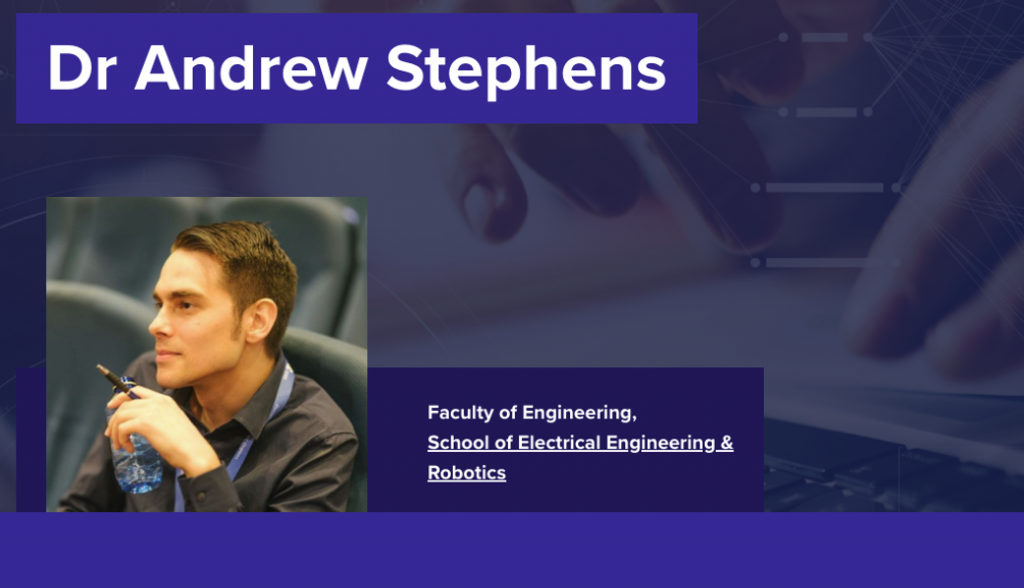
Dr Andrew Stephens
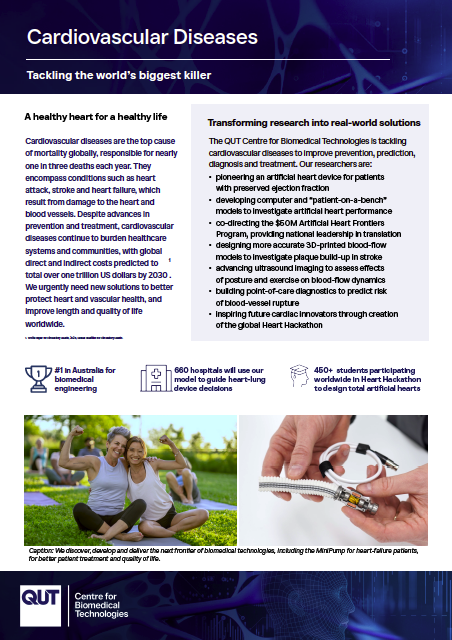
and collaborators have developed a machine learning model that predicts which patients will benefit from receiving an artificial heart-lung device. Venoarterial extracorporeal membrane oxygenation (VA-ECMO) is a mechanical device used to temporarily support patients in cardiorespiratory failure. But it is expensive and carries a high risk of complications, meaning clinicians use survival scores, based on factors such as age, weight and symptoms, to select which patients will benefit from this treatment. Dr Stephens and team developed the first AI-powered ECMO survival score by training a deep neural network on data from 18,000 patients. Their score outperformed existing methods and is now being rolled out to more than 660 hospitals globally, helping clinicians track their performance over time and benchmark against other institutions.
Find Dr Stephens’ QUT Academic Profile here.
Read and download the Cardiovascular Diseases Capability Statement